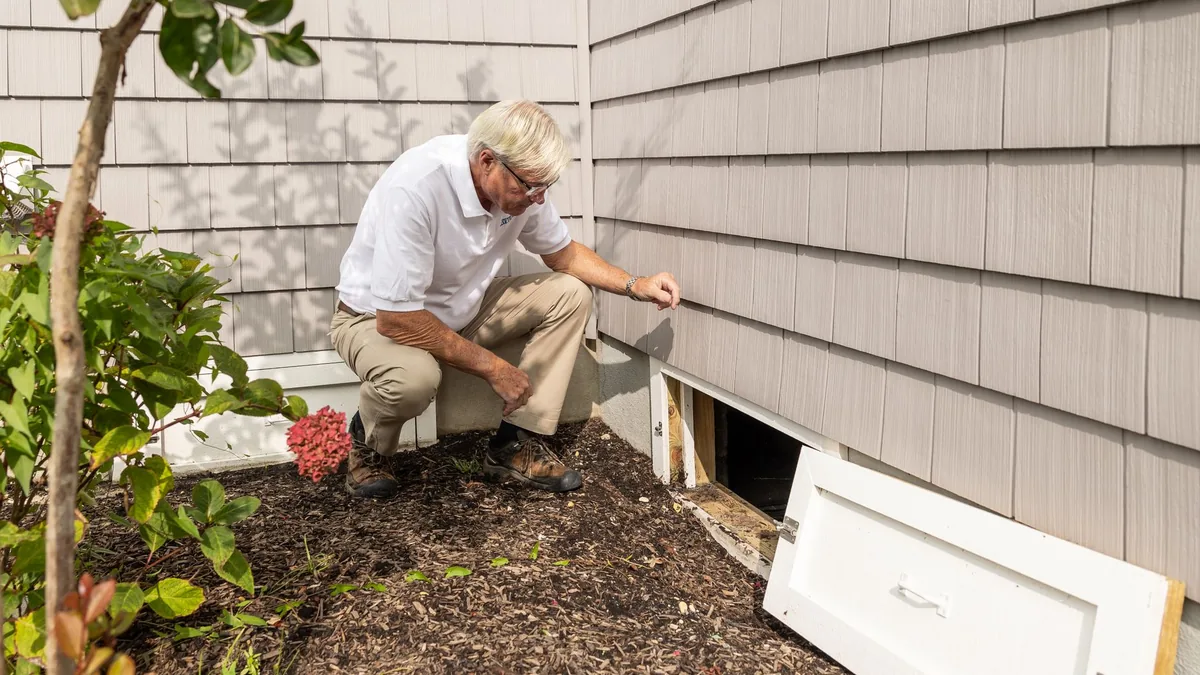
Crawl Space Repair in Baton Rouge, LA
Crawl space repair fixes the structure under a raised home: the piers, beams, sills, and joists that hold the floors up, plus the moisture that damages them. Many Baton Rouge homes, especially in the Garden District, Goodwood, and Scotlandville, sit on raised homes on pier and beam, and we work under them across the city and in Baker and Port Allen.
- Free written inspection report
- Permits through the Permit & Inspection Division of the Department of Development
- Plain answers on repair or monitor
Get a Free Foundation Inspection
Tell us what you need — we’ll get back to you fast.
We'll be in touch shortly.
Please call us at (225) 396-8627.
What Goes Wrong Under a House
A crawl space in south Louisiana stays damp much of the year. Over time that moisture rots wood shims and sill plates, softens the soil under piers, and invites termites. At the same time, clay soils that swell when wet and shrink when dry, so piers can sink or lean as the soil moves. Inside the house you notice soft or bouncy floors, sloping rooms, gaps at baseboards, and doors that drift out of square.
Under the house, look for standing water after rain, wet or crumbling wood, piers that lean or have cracked, shims that have slipped, and joists that sag between supports.
What We Repair
Piers
Sunken, leaning, or cracked piers replaced or added.
Sills and Beams
Rotted sills and beams replaced with treated lumber.
Joists
Sagging or damaged joists sistered or replaced.
Moisture
Drainage, vents, and vapor barriers addressed.
Structure First, Then Moisture
We start by making the house sound. Failed piers are replaced on solid footings, long spans get added supports, rotted wood is cut out and replaced, and the floor is brought back toward level with durable shims. That work is closely tied to house leveling, and it is often done in the same visit.
Then we deal with the water. Fixing grading and gutters outside keeps rain from running under the house. A vapor barrier over the soil cuts down the moisture rising into the wood. Vents need to work, and plumbing leaks need fixing. Without those steps, new wood will eventually rot like the old.
The Process
How Crawl space work Goes
Inspect
We crawl the full space and map piers, wood, and water.
Plan
Written list of repairs and prices, structure first.
Permit
Permit filed with the Permit & Inspection Division of the Department of Development when required.
Repair
Supports, wood, and moisture fixes; final readings.
Slab Homes Are Different
If your home sits on a slab, there is no crawl space to repair, and problems with movement are handled with piers under the slab, described on our foundation repair page. Some Baton Rouge houses have both, with an addition on a slab beside an original raised section; the joint between them is a common place for cracks, and we look at both sides.
Termites and Wood Damage
Damp wood under a house attracts termites, and Louisiana has active termite pressure. If we find termite damage while repairing a crawl space, we replace the damaged wood and recommend you have a licensed pest control company treat the house; we do not do pest treatment ourselves. Keeping the crawl space drier is one of the best ways to make it less attractive to termites again.
Permits and Contractor Rules
Structural repairs under a house often need a permit, which we file with the Department of Development, Permit & Inspection Division at 300 N Tenth Street. Louisiana sets contractor rules as well: home improvement work on an existing home valued at $7,500 or more falls under LSLBC rules. Ask any company you are comparing to show its standing with the Louisiana State Licensing Board for Contractors (LSLBC), and get the scope in writing.
Questions to Ask
Ask how many piers will be replaced or added and what they will sit on. Ask what kind of shims will be used. Ask which rotted wood will be replaced and how it will be treated. Ask what will be done about moisture so the repair lasts. A clear written answer to each is the best sign the work will hold up in a wet climate on bluffs above the Mississippi, with a levee system to the south.
Common Questions
Crawl Space Questions
How much does crawl space work cost?
It depends on how many piers, how much rotted wood, and what moisture work is needed. Replacing a few shims costs far less than new piers and sills throughout. Permits through the Permit & Inspection Division of the Department of Development are included in our written price when required.
Why are my floors soft or bouncy?
Usually because joists, sills, or supports under the floor have weakened from moisture or rot, or piers have sunk as clay soils that swell when wet and shrink when dry moved. A crawl-space inspection shows exactly which.
Do I need a vapor barrier under my house?
In a damp climate it usually helps. A barrier over the soil cuts the moisture reaching the wood. It works best together with good drainage outside and working vents.
Get Started
Soft floors or water under the house? Book a free inspection or return to the home page.